



 Apple Podcasts
 Spotify
 NXT
NXT
 ROH
ROH
 MLW
MLW NWA
NWA GCW
GCW HOG
HOG NJPW
NJPW AAA
AAA NOAH
NOAH CMLL
CMLL UFC
UFC Professional Fighters League
 Real American Freestyle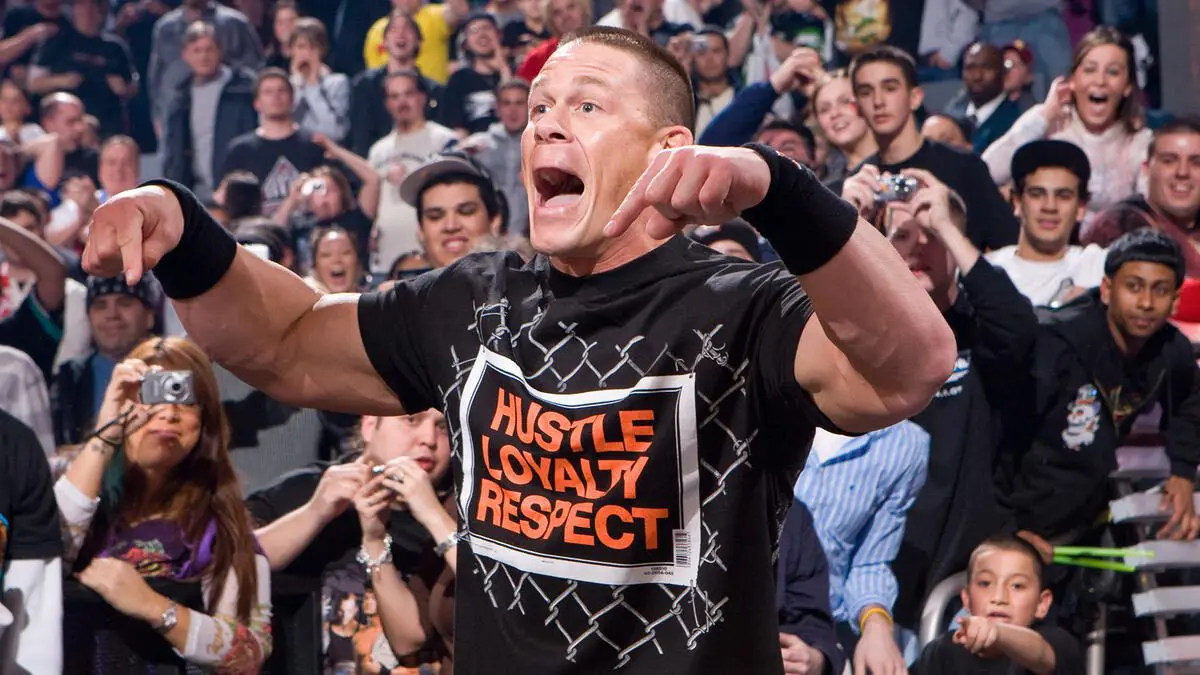

Royal Rumble returns used to be an easy way to please the crowd. A familiar theme comes on, the audience cheers, and then, the moment is over. But that formula has changed completely in the last 20 years. Today, returns are supposed to give you shock, emotion, and a long story all at once. In fact, if you look at what fans say and do after the event, Royal Rumble surprises are often the most talked-about parts of the whole WWE calendar. So, how did we get to this point? And which returns really changed people’s expectations overnight? Tune in to find out.
Why Royal Rumble Returns Are Important
To really understand why people have such high hopes for Royal Rumble returns, it helps to look at how expectations form when experiences become consistent and meaningful. Fans, like engaged users in any field, develop a sense of what quality looks like over time — and once that benchmark is set, anything below it feels like a letdown.
WWE has “trained” its fans over time in exactly this way. People started to expect the same level of quality every year after they witnessed major Royal Rumble returns. The clearer and more powerful those moments became, the higher the expectations grew. Transparency plays a role here too: when fans understand the structure of an event — who might return, under what conditions, with what stakes — trust builds. Uncertainty without payoff frustrates; uncertainty with a meaningful resolution creates unforgettable moments.
The Returns That Really Made a Difference
A lot of wrestlers have come back to the Royal Rumble. But only a few have really changed what fans expect from the event. These moments didn’t just make a noise; they changed what a “great return” should look like.
John Cena in 2008
First and foremost, Cena’s comeback in 2008 is still regarded as the best. He had a torn pectoral muscle at the time and was expected to be out for 6 to 8 months. Instead, he was back in less than 4 months. What was even more impressive was that WWE was able to keep this a secret. Before social media leaks became common, this level of surprise was very rare.
What happened? One of the loudest reactions from a crowd in WWE history. Reports from the event say that the crowd at Madison Square Garden went wild as soon as he walked in. This made it one of the most exciting moments in Rumble history.
As a result, this moment changed what people thought would happen. Fans no longer expected “possible” returns; they wanted the impossible.
Edge in 2020
Edge’s return, on the other hand, showed that emotion can be just as strong as surprise. He took almost nine years off from wrestling after a neck injury ended his career in 2011. Before, doctors had said that there was no chance of a comeback.
So, when he entered the 2020 Royal Rumble, the crowd didn’t just make a lot of noise; they were moved. Within minutes, millions of people had watched the clips of his return on social media.
Cody Rhodes in 2023
His reappearance wasn’t a secret like Cena’s or Edge’s. A lot of fans thought he would show up, in fact. But the way it was done made all the difference. He came in at number 30 and won the match. This gave him a spot in the main event at WrestleMania right away.
Statistically, only a small number of entrants — especially returning stars — win the Rumble on the same night. Because of this, something new came to light: predictability isn’t a problem if the payoff is big.
The Undertaker in 2003
The Undertaker made a comeback in 2003 and brought up the idea of reinvention. Instead of just coming back, he came back with a new direction for his character. This showed that returns could change a superstar, not just bring them back to the sport.
Back then, it wasn’t as common for characters to change during the returns. But this moment helped set a new standard for creativity.
Chris Jericho in 2013
Finally, Jericho’s return in 2013 placed a strong emphasis on timing and pacing. Rather than being placed in the last spot, he came in early, without much advertising. Even so, the reaction was still huge. This showed that a return doesn’t always need the “perfect” spot. Execution is more important than position.
How Fan Expectations Have Changed
Expectations have grown a lot over time. Before 2008, a surprise return was just that — a nice, surprising bonus. But today, it’s a must.
Also, people today simply know more than they used to. There are fewer surprises that stay hidden because of social media, insider reports, and fan speculations. WWE is still expected to give fans at least one major shock every year, though.
Engagement metrics further support this. Royal Rumble return clips often get the most views on WWE’s official channels within 24 hours of being posted. This shows how important these moments have become to the overall event.
What Transparency in Promotions Has to Do With Fan Trust
One of the reasons Royal Rumble moments land so hard is structural: fans know the rules. They understand the format, the stakes, and what a win means. That clarity is what gives surprise its power — you can only be genuinely shocked when you understand what was supposed to happen.
The same principle applies in other entertainment and bonus-driven spaces. In the online casino world, for example, no-deposit offers have evolved significantly. Platforms no longer advertise vague headline numbers. Instead, the focus has shifted to explaining verification requirements upfront — identity checks, withdrawal limits, eligibility criteria — so users understand exactly what they’re engaging with before they commit.
Resources like CasinosAnalyzer have made this kind of transparency more accessible, breaking down the real conditions behind bonus offers so that first-time users can make informed decisions rather than discover limitations after signing up.
The parallel to WWE is closer than it sounds. When audiences — whether wrestling fans or first-time bonus users — understand the structure they’re operating in, they engage more fully. The surprise still hits. But it hits within a framework they trust.
The Modern Standard WWE Must Meet
WWE is always under pressure to do better than it did in the past. Stars like Naomi and Alexa Bliss returning to the event show how the company likes to mix old stories with new ones. But fans now look at returns differently. It’s not just about how people react in the moment. Instead, the focus is mostly on the long-term effects.
- Does the return lead to a match at WrestleMania?
- Does it tell a story?
- Does it seem meaningful?
If the answer is yes, then the return was successful.
Conclusion
In the end, Royal Rumble returns have become times when people set and exceed expectations. Every big comeback raises the stakes, which means WWE has to come up with new ideas every year. After all, consistent and meaningful comebacks build trust with fans. They show that surprises still matter — but, more importantly, that those surprises lead somewhere.