



 Apple Podcasts
 Spotify
 NXT
NXT
 ROH
ROH
 MLW
MLW NWA
NWA GCW
GCW HOG
HOG NJPW
NJPW AAA
AAA NOAH
NOAH CMLL
CMLL UFC
UFC Professional Fighters League
 Real American Freestyle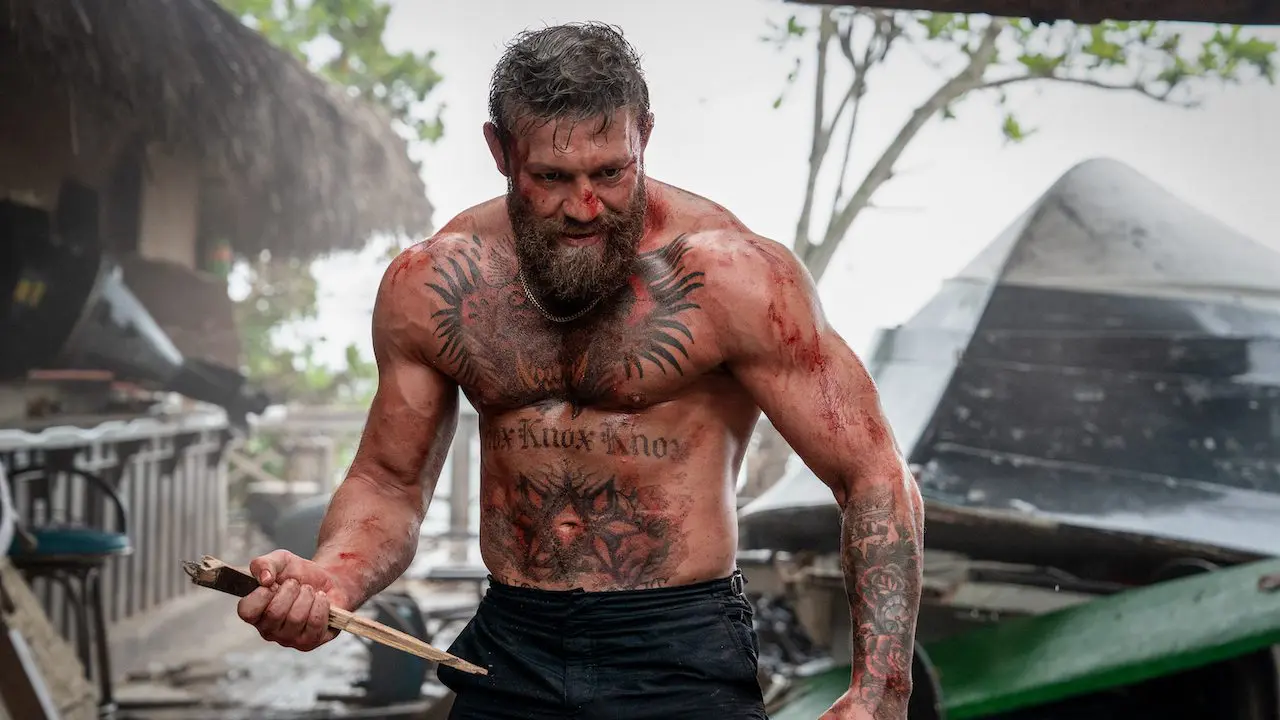

For years, top fighters focused only on training camps, weigh-ins, and championship belts. Lately, though, their paths are widening. Some appear in blockbuster movies, others launch clothing labels or invest in tech start-ups. Their willingness to branch out matches the curiosity of fans who look beyond the cage or ring. For example, how to find a legit casino can feel confusing, so many athletes study lists of trustworthy casino brands before signing lucrative sponsorship deals, a move they consider especially helpful. In the same way, bonuses catch every eye, and browsing an online casino comparison site shows the kinds of sign-up deals waiting for new players. Sponsorship talks often begin in locker rooms and stretch late into hectic media week negotiations. By exploring fresh markets early, fighters learn to protect their future, sharpen public speaking skills, and add extra zeros to their bank accounts. The crossover trend is still growing, and understanding what fuels it helps coaches, managers, and supporters see where the sport might head next.
The Drive Behind the Crossover
At first glance, a fighter’s schedule may appear full with training sessions and recovery periods, yet upon closer examination, there can often be gaps between bouts that leave ample opportunities to develop either fitness or revenue streams. By keeping active between bouts during that off-season window, a fighter’s calendar remains busy enough with sparring sessions and recovery activities to remain healthy during bouts; it often reveals periods where fighting takes a backseat as opponents train or compete elsewhere for revenue generation opportunities or both! Many athletes choose revenue generation over glory; signing short film roles, appearing on game shows, or recording podcasts keeps them busy while paying their bills at once. Not only will you see more revenue streams, but relevance will also become key since social media fades quickly, and injuries may arise suddenly that could sideline an athlete instantly. Diversifying gives peace of mind. Analysts note that fight careers typically last less than ten years while post retirement life spans over five decades, so stepping into entertainment early gives athletes time to hone their new abilities before having to rely on them later – the mental challenge resembles combat sports: learning lines, facing cameras, and responding to critics make this transition feel natural rather than daunting.
Building a Bigger Personal Brand
An athlete stepping into a cage wearing customized music and distinctive shorts already understands branding; expanding to television or fashion simply magnifies this effect. When an audience recognizes them in two very disparate settings – on TV Friday night and at an MMA fight Saturday – familiarity emerges. Marketing experts refer to it as the halo effect: success in one field can illuminate other disciplines and bring more opportunities your way. Sponsors take notice as streaming platforms, comic conventions, and sneaker companies open doors previously shut against punch-throwers around the world. Clothing companies will pay more to reach both movie-goers and grappling enthusiasts via Instagram posts that reach both. Broad appeal translates to greater negotiating leverage for fight contracts as promoters crave buzz that lifts ticket sales; building their brand also helps with storytelling. Documentaries, vlogs and behind-the-scenes reels offer viewers a hero’s journey they can follow from week to week – creating an emotional tie that outlasts wins or losses and turning casual watchers into dedicated supporters, turning casual viewers into regular followers who turn into lifelong supporters. Thus, leading them down an important path that often results in bigger stories creating bigger paydays for producers and distributors alike.
From Gloves to Boardrooms: Business Plays
Entertainment deals may be flashy, but ownership deals have lasting value. More fighters now opt to study real estate courses, open gym membership, or nutrition apps instead of purchasing yet another sports car. Beginning when veterans revealed how quickly prize money vanishes due to taxes, manager fees, and medical costs, modern athletes began taking notice and investing wisely as well. Modern veterans still advocate this philosophy today. Finance students hire financial advisors, learn to read balance sheets, and attend pitch meetings like experienced investors. Partnerships with beverage companies or esports teams transform them from mere paid faces on posters into shareholders in these organizations. As in entrepreneurial classes, combat sports startups follow an identical strategy to any business: identify a need, craft a solution to address it, and capitalize on existing fans as an untapped customer base. Given combat sports’ wide global appeal, products – from energy drinks and fitness apps through whiskey bottles for Conor McGregor or gaming stakes for Francis Ngannou – that tap into that global fan base can grow overnight into global successes that inspire the next prospect to dream even bigger dreams of their own.
What This Means for Fans and the Sport
Crossover films and series are revolutionizing how people watch, discuss, and train for combat sports. A casual viewer who encounters one of their fighters in an iconic superhero flick might decide to follow up their interest by tuning into an upcoming pay-per-view bout out of pure curiosity. Increased gate numbers and promotions that enhance production quality result in greater attendance at theaters, more cameras, better graphics, and deeper storylines for audiences to experience. Traditionalists worry that showbiz will blunt competitive spirit, yet evidence to the contrary exists: bigger purses and wider exposure enable athletes to afford superior coaches, sports psychologists, and extended recovery periods; all while creating opportunities to refine the sport itself. Techniques once limited to boutique gyms have quickly expanded via video streaming platforms like social media. Young trainees now envision taking both paths when plotting out their futures: champion and entrepreneur. While the line between fighter and entertainer blurs further, one thing remains certain: audiences gain front-row seats for both battles and business wins, making the ride all the more exhilarating!