


 Apple Podcasts
 Spotify
 NXT
NXT
 ROH
ROH
 MLW
MLW NWA
NWA GCW
GCW HOG
HOG NJPW
NJPW AAA
AAA NOAH
NOAH CMLL
CMLL UFC
UFC Professional Fighters League
 Real American Freestyle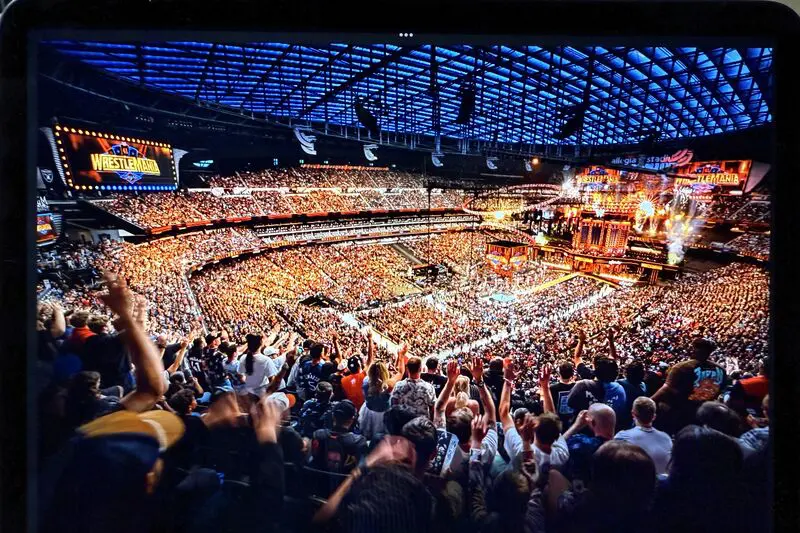

Professional wrestling has never been more global than it is right now. WWE, under the umbrella of TKO Group Holdings, has embarked on an international expansion campaign that is fundamentally altering how fans around the world consume the product. From exclusive streaming deals with Netflix to Premium Live Events in cities that had never hosted a major wrestling show, the company is planting flags in markets that were once considered secondary. The question facing the industry is whether this aggressive push is genuinely growing the global wrestling audience or simply consolidating WWE’s dominance at the expense of smaller promotions.
The numbers tell a compelling story. WWE has ramped up its international event schedule dramatically, and the pace has only accelerated heading into 2026. Revenue under TKO’s stewardship has climbed significantly, fueled largely by lucrative media rights agreements and international partnerships. For fans who have followed the business side of wrestling for years, this represents a seismic shift in how a promotion can monetize its content beyond traditional pay-per-view and merchandise sales, with entertainment and gaming brands increasingly lining up as partners.
The Netflix Deal Changes Everything
When WWE Raw moved exclusively to Netflix, it marked the single biggest change in wrestling distribution since the Monday Night Wars. Netflix’s 283 million global subscribers gave WWE instant access to audiences in territories where cable television penetration had always limited the product’s reach. In markets like India and Brazil, where traditional U.S. broadcasting had minimal impact, the Netflix partnership opened doors that decades of syndication deals never could.
The deal also shifted how WWE approaches its international touring schedule. Netflix now handles local broadcasting arrangements in each territory, creating a feedback loop where a Premium Live Event in Perth or Riyadh generates local buzz that drives subscriptions, which in turn justifies more events in that region. WWE President Nick Khan has described this as a “streaming-first” approach to global growth.
For the wrestling industry as a whole, the Netflix deal raises difficult questions. AEW, which has built a loyal following through traditional cable and pay-per-view, now competes against a promotion that reaches subscribers in over 190 countries with a single broadcast. Independent promotions face an even steeper uphill battle when WWE can saturate a market digitally before ever running a live show there.
Saudi Arabia and the Middle East Strategy
WWE’s partnership with Saudi Arabia’s General Entertainment Authority remains one of the most significant, and most debated, elements of its international strategy. The company continues to host multiple Premium Live Events annually as part of Riyadh Season, drawing tens of thousands of fans to purpose-built venues in the kingdom. These events have become tentpole attractions that consistently deliver some of the year’s most memorable matches and returns.
The financial terms of the Saudi deal have never been fully disclosed, but industry analysts estimate that each event generates upward of $50 million in guaranteed revenue for WWE. The partnership has also opened the door for WWE to establish a more permanent presence in the Gulf region, with training facilities and local talent development programs reportedly in development. From a business perspective, the Middle East strategy has been a resounding success, providing WWE with a revenue stream that insulates it from fluctuations in the U.S. market.
India Emerges as WWE’s Next Frontier
If there is one market that executives at TKO view as transformative, it is India. Wrestling is the second-most popular sport in the country after cricket, with multi-generational appeal that cuts across economic and regional lines. WWE has signaled that India will be its top priority market for the 2026-2027 period, scheduling major events and content initiatives specifically tailored to Indian audiences.
The Netflix partnership is particularly potent in India, where the platform has invested heavily in growing its subscriber base. WWE programming serves as a reliable draw for younger demographics, creating a natural alignment between the two companies’ growth strategies. Local language commentary, culturally specific marketing campaigns, and partnerships with Indian entertainment figures are all part of the playbook. With a population of over 1.4 billion, the potential scale is staggering, though converting casual interest into consistent engagement remains the central challenge.
European Expansion Picks Up Speed
Europe has long been a reliable market for WWE touring, but the company is now treating the continent as a venue for marquee events rather than just house show circuits. Italy will host its first-ever Premium Live Event in 2026, and the UK, France, and Germany have all hosted PLEs in recent years, establishing a precedent for European cities to compete for these high-profile shows much as they would for major sporting events.
The economic impact of a WWE PLE on a host city is substantial. Hotel bookings, restaurant revenue, and local transportation all see significant bumps during event weekends, creating incentives for municipal governments to offer favorable terms. Perth, Australia, extended its partnership with WWE through 2026 after the success of Elimination Chamber in 2024, a model that European cities are eager to replicate. Meanwhile, the broader entertainment and gaming industries have also noticed wrestling’s growing reach, with platforms like WOW Vegas and other social gaming operators increasingly aligning their marketing with major live entertainment events that draw passionate, engaged audiences.
What This Means for the Rest of the Industry
WWE’s global expansion does not exist in a vacuum. Every territory that WWE enters more aggressively is a territory where local promotions must adapt. In Japan, New Japan Pro-Wrestling has responded by deepening its partnerships with AEW and other Western promotions, creating a counter-programming strategy built on collaborative cross-promotion rather than direct competition with WWE’s financial might.
AEW has focused on building a distinct identity that appeals to fans who prefer an alternative to WWE’s production style. Tony Khan’s promotion has explored international expansion of its own, though on a far more modest scale. The risk is that WWE’s streaming dominance could shrink the overall pool of casual fans available to alternative products, forcing smaller companies to rely increasingly on their dedicated core audiences.
Independent wrestling faces a nuanced challenge. WWE’s global visibility has brought more eyes to professional wrestling as a whole, potentially creating fans who discover indie promotions through social media. But the sheer scale of WWE’s content output on Netflix means that casual fans may never feel the need to look beyond what is already available on their screens.
The Business Behind the Spectacle
Understanding WWE’s expansion requires looking beyond the ring and into the corporate structure that makes it possible. TKO Group Holdings, formed from the merger of WWE and UFC under Endeavor’s umbrella, provides WWE with resources and strategic infrastructure that no wrestling company has ever enjoyed. The company has even hired specialized immigration paralegals to streamline global travel for its talent roster, signaling that international expansion is a core element of the business model rather than a passing initiative.
Revenue diversification is another key factor. By reducing dependence on any single market, WWE insulates itself from economic downturns, cord-cutting trends, and the cyclical nature of wrestling’s domestic popularity. The trade-off has been fewer local events in smaller U.S. markets and higher ticket prices for American fans, a shift that has not gone unnoticed by the domestic audience.
Gaming and Entertainment Partnerships Signal a New Era
WWE’s expansion is not limited to live events and broadcasting. The company announced a multi-year partnership with VGW starting in 2026 that will integrate WWE Superstars into social gaming content across SmackDown, WrestleMania, and SummerSlam programming. This type of cross-platform integration reflects a broader trend in sports entertainment, where the lines between live events, streaming content, and interactive gaming continue to blur.
The gaming sector has become increasingly intertwined with professional wrestling’s fanbase. Sweepstakes platforms and social casinos have found that wrestling audiences overlap significantly with their target demographics: engaged, entertainment-seeking consumers who value spectacle and competition. For WWE, these partnerships represent additional revenue streams that complement rather than cannibalize its core broadcasting income.
This diversification into gaming and interactive entertainment also helps WWE maintain relevance with younger audiences who consume content across multiple platforms simultaneously. A fan watching Raw on Netflix might also be engaging with a sweepstakes gaming platform between matches, creating multiple touchpoints that reinforce entertainment habits in ways that traditional television alone never could.
Looking Ahead: Can the Momentum Continue?
The trajectory of WWE’s global expansion shows no signs of slowing. With WrestleMania season approaching and international PLEs planned across multiple continents, the 2026 calendar is shaping up to be the most ambitious in company history. The question is whether this pace is sustainable, both for the talent who must endure grueling travel schedules and for the company’s finances, which depend on continued growth in streaming subscriptions and international ticket sales. The growing presence of entertainment and gaming brands at wrestling events suggests the industry’s commercial appeal has never been broader.
For the wrestling landscape as a whole, WWE’s expansion is a double-edged sword. It brings unprecedented visibility to the art form, introducing professional wrestling to millions of potential new fans worldwide. But it also concentrates power and resources in ways that make it harder for alternative voices to be heard. What is beyond debate is that the industry in 2026 looks fundamentally different from what it was even five years ago, and WWE’s global ambitions are the primary reason why. For more wrestling news and analysis, visit bodyslam.net.